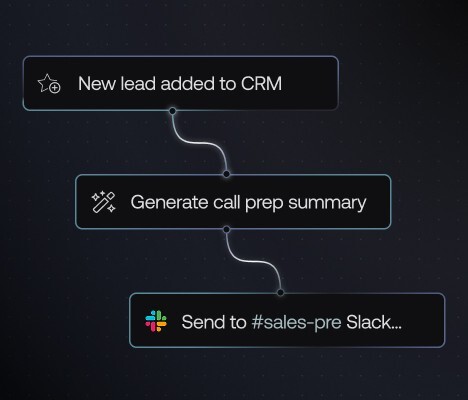
Lifecycle & Lead Management

Leads become difficult to manage when lifecycle stages, lead status, routing rules and qualification criteria are not clearly defined. Without structure, follow-ups are missed, sales teams lose context and reporting becomes difficult to trust. SunPro Media helps businesses design lifecycle and lead management systems that create clearer lead movement, better handovers and more consistent follow-up from first touch through to customer.

Clear Lifecycle Stages
Define how contacts move from first touch to lead, qualified opportunity and customer.

Better Lead Routing
Send enquiries and leads to the right person, pipeline or process based on clear business logic.

Stronger Qualification
Create better definitions for what makes a lead marketing-qualified, sales-qualified or ready for follow-up.

Cleaner Sales Handover
Improve alignment between marketing and sales with clearer ownership, next steps and lead context.

Why Lifecycle & Lead Management Matters

Leads are easier to convert when every stage, status and handover is clearly defined.

Many businesses generate enquiries from websites, ads, referrals, email campaigns, ecommerce activity and sales outreach. But without a clear lead management structure, those contacts can quickly become messy inside the CRM.

Some leads may not be followed up. Some may be assigned to the wrong person. Some may be marked as qualified too early. Others may sit in the wrong lifecycle stage, making reports unreliable and sales activity harder to manage.

SunPro Media helps businesses create lifecycle and lead management systems that support clearer qualification, better routing, cleaner handovers and stronger reporting.

This can include lifecycle stage design, lead status structure, MQL and SQL definitions, lead routing logic, contact segmentation, lead source tracking, marketing-to-sales handover planning and automation between marketing and sales.

The goal is to help your team understand where every lead sits, who owns the next step and what should happen next.

What We Help With:

  • Lifecycle stage design and clean-up

  • HubSpot lifecycle stage planning

  • CRM contact management improvements

  • Lead routing logic

  • Lead source tracking structure

  • Marketing-qualified lead definitions

  • Sales-qualified lead definitions

  • Contact ownership and assignment rules

  • Marketing-to-sales handover planning

When This Solution Is a Good Fit:

  • Getting leads from multiple sources but struggling to manage them

  • Missing follow-ups or responding too slowly

  • Unsure when a lead should be passed to sales

  • Using HubSpot but not using lifecycle stages properly

  • Confused about lead status, lifecycle stage or qualification criteria

  • Struggling with marketing and sales handover

  • Unable to report clearly on lead movement and conversion

  • Manually assigning enquiries to sales reps

  • Planning better lead nurturing, scoring or workflow automation

Untitled design (49)

Built Around the Full Lead Journey

A strong lead management system should support every stage of the customer journey, not just the moment someone fills in a form.

We look at where leads come from, what information is captured, how they should be qualified, who should own the next step and how the CRM should reflect their movement through the business.

This helps create a cleaner journey from visitor to lead, from lead to opportunity and from opportunity to customer.

It also gives marketing, sales and management better visibility into what is happening across the funnel.

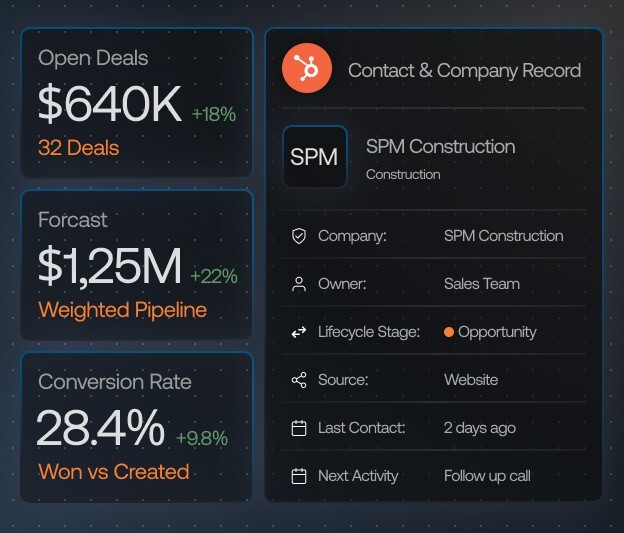
HubSpot Lifecycle Stage and Lead Routing Setup - HubSpot can become very powerful when lifecycle stages, lead status, contact ownership, forms, lists, workflows and reporting are structured properly.

We help businesses use HubSpot to manage the lead journey more clearly, including how contacts enter the CRM, how they are segmented, how they are routed, when sales should follow up and how conversion should be reported.
FAQs

Lifecycle & Lead Management FAQs

Lifecycle management defines the stages a contact or company moves through, from first interaction to lead, qualified opportunity, customer and beyond. It helps teams understand where each contact sits in the customer journey.
Lifecycle stage usually shows the broader relationship stage, such as lead, opportunity or customer. Lead status is often used to manage the sales follow-up process, such as new, contacted, qualified, unqualified or in progress.
Yes. We can help define marketing-qualified leads and sales-qualified leads based on your business model, sales process, CRM data and qualification criteria.
Yes. The structure can be designed around leads from website forms, ads, referrals, campaigns, ecommerce activity, direct sales outreach and other sources.
Yes. Automation can be used to assign leads, notify teams, create tasks, update properties, move contacts into lists and support more consistent follow-up.
Yes. Clearer routing, ownership and notifications can help the right person respond faster and reduce missed follow-ups.
Yes. When lifecycle stages, lead status and lead sources are structured properly, reporting becomes much easier to trust.