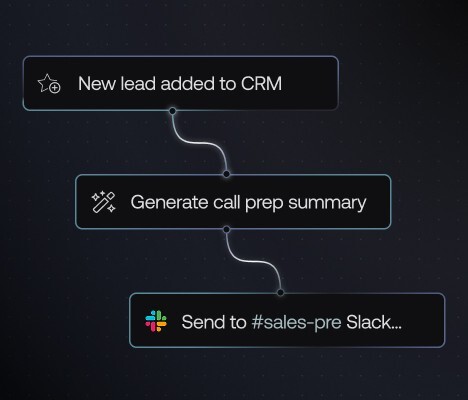
Sales Pipeline Architecture

A sales pipeline should show more than a list of open deals. It should reflect how your team actually sells, what needs to happen at each stage and how likely opportunities are to move forward. SunPro Media helps businesses design structured sales pipelines, deal stages, forecasting views and sales processes that improve visibility, consistency and pipeline performance.

Clearer Deal Stages
Define each sales stage around real buyer movement, sales activity and qualification criteria.

Better Forecasting Visibility
Create pipeline structure that helps management understand open revenue, deal health and likely close outcomes.

More Consistent Sales Follow-Up
Use stage logic, tasks, reminders and automation to help keep deals moving forward.

Stronger Sales Team Alignment
Give sales teams, managers and stakeholders a shared view of where deals stand and what should happen next.

Why Sales Pipeline Architecture Matters

A clear pipeline helps your team understand what is open, what is moving and what is likely to close.

Many businesses use deal stages that are too vague, too broad or not linked to real sales activity. This makes it difficult to know which deals are healthy, which opportunities are stuck and which revenue can realistically be forecasted.

When the pipeline is not structured properly, sales teams may follow different processes, managers may struggle to trust reports and opportunities can sit in the wrong stage for too long.

SunPro Media helps businesses design sales pipeline architecture that reflects the real sales process. This can include deal stage design, stage criteria, close probability planning, sales automation, handover rules, task creation, forecasting views, pipeline reporting and HubSpot pipeline setup.

The goal is to create a pipeline that becomes a useful sales management system, not just a list of deals.

What We Help With:

  • Sales pipeline design and structure

  • HubSpot deal pipeline setup

  • Deal stage naming and logic

  • Deal property structure and Sales process mapping

  • Forecasting setup and pipeline visibility

  • Close probability and weighted pipeline planning

  • Sales activity tracking, Task and reminder automation

  • Deal owner and handover rules

  • Multiple pipeline planning for different sales processes

When This Solution Is a Good Fit:

  • Managing deals in spreadsheets, email or an unstructured CRM

  • Using HubSpot but struggling with unclear deal stages

  • Unable to trust sales forecasts or pipeline reports

  • Seeing deals sit in the wrong stage for too long

  • Needing better visibility into open opportunities

  • Running different sales processes across different teams or services

  • Missing follow-ups because sales activity is not structured

  • Planning to scale the sales team or improve management visibility

  • Wanting pipeline automation, reporting and forecasting to work properly

Untitled design (46)

Built Around the Way Your Business Actually Sells

Good pipeline architecture starts with understanding the real sales journey.

Before designing deal stages, we look at how leads become opportunities, what information sales needs, what actions happen before a deal progresses and where handovers or delays usually happen.

This helps create a pipeline structure that is practical for the team, useful for management and easier to report on over time.

The pipeline should support the sales process, not force your team into a structure that does not match how deals are actually won.

Untitled design (46)

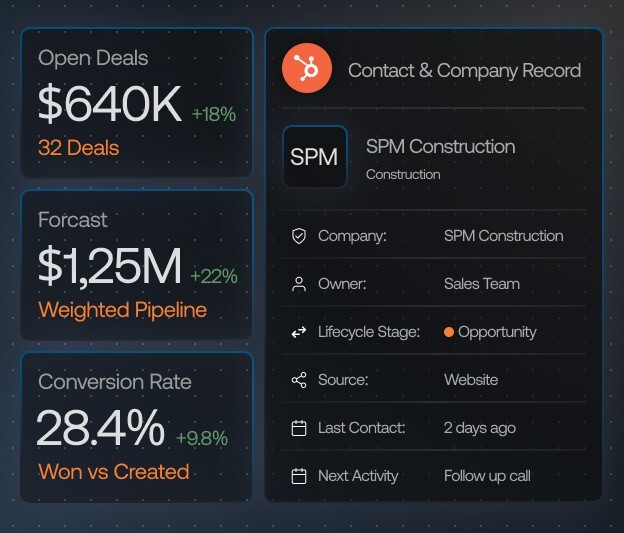
HubSpot Pipeline Design and Forecasting Setup - HubSpot becomes much more useful when deal stages, properties, owners, tasks, automation and dashboards are structured around the sales process.

We help businesses set up or improve HubSpot sales pipelines so teams can manage opportunities more clearly, track deal progress, automate follow-up tasks and report on pipeline health with more confidence.

This can include one pipeline or multiple pipelines depending on your services, sales cycles, regions or business units.

Turn Your Pipeline Into a Management Tool
- A pipeline should help leadership understand more than how many deals are open.

With the right structure, your pipeline can show deal value, stage movement, stuck opportunities, expected revenue, close probability, activity gaps and forecasted performance.

This gives management better visibility and gives sales teams a clearer process to follow.

This section is very important because it makes the service feel less like “CRM setup” and more like a business management improvement. 
FAQs

Sales Pipeline Architecture FAQs

Sales pipeline architecture is the structure behind how deals move through your sales process. It includes deal stages, stage criteria, ownership, forecasting, automation, reporting and the rules that help teams manage opportunities consistently.
Yes. Existing pipelines can often be improved by reviewing deal stages, removing unnecessary complexity, defining better stage criteria and aligning the pipeline with the real sales process.
Yes. HubSpot is a strong platform for sales pipeline design, deal management, task automation, forecasting and pipeline reporting.
Yes. In many cases, CRM migration and CRM system design should happen together so the new system is cleaner, better structured and easier to use.
It depends on the business and sales process. The goal is not to have as many stages as possible. The goal is to define clear stages that represent meaningful progress in the sales journey.
Yes. Forecasting can be supported through better stage structure, close probability, deal value, expected close dates, pipeline views and reporting dashboards.
Yes. Automation can support task creation, reminders, deal owner notifications, stage-based follow-ups and handovers between sales and operations.
Yes. Multiple pipelines can be useful when a business has different sales processes, services, regions, teams or customer types.